
AI made the easy part easier. We do the heavy lifting.
Creating a demo is easy now. Software you can run a business on is not: payments, scheduling, documents, signatures and the books, working together and kept working. We already run those parts for businesses like yours. You get one tool built on them, not a shelf of subscriptions and the registrations that come with each. You pay only for the part that's yours, and the admin stops following you home.
Built by Inertia
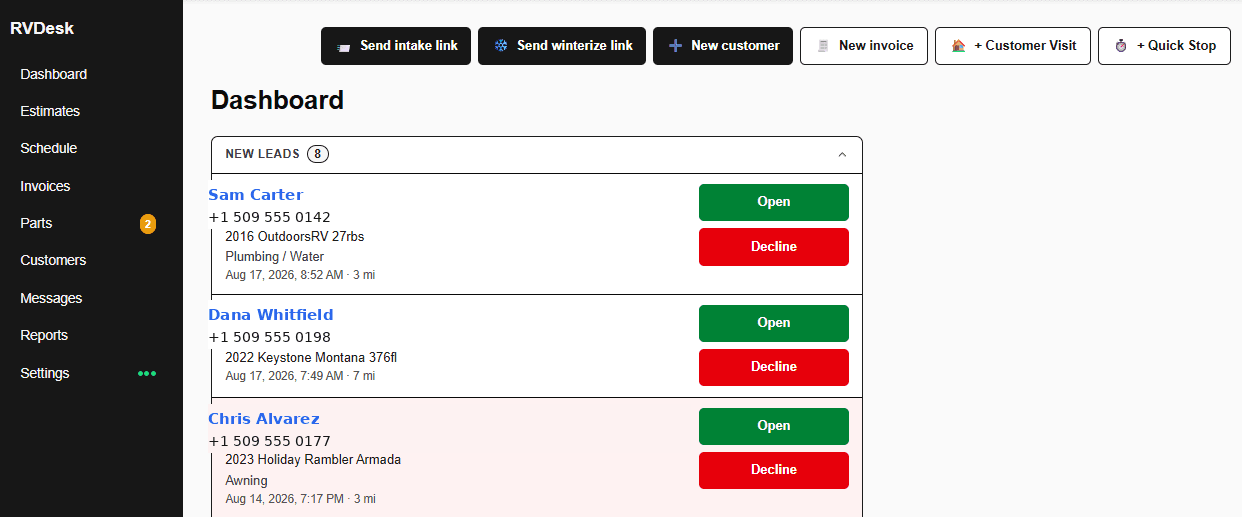
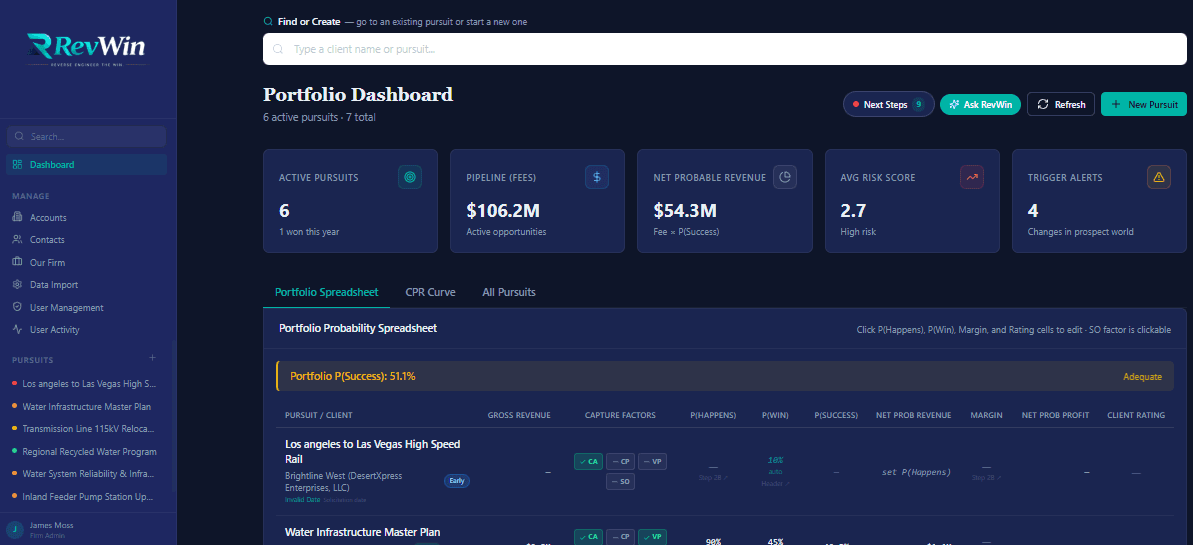
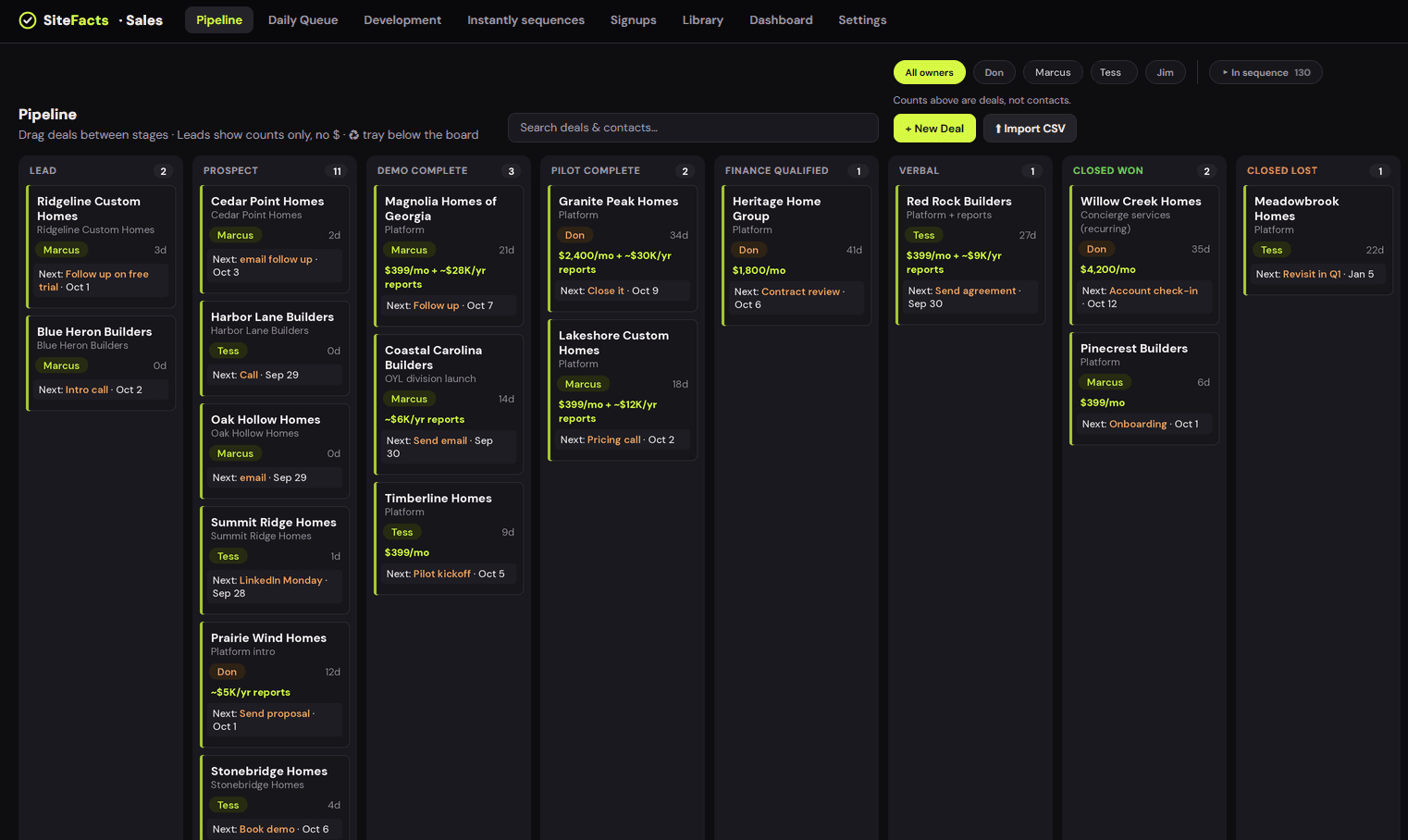
The subscription shelf
Nine logins. Nine invoices. Nothing talks to anything.
A CRM. A sequencing tool. Marketing automation. Accounting. Project management. E-signature. Scheduling. Payments. Something to wire them together. Each one reasonable on its own. Together they are a stack of renewals, nine systems to learn, and you as the integration, retyping the same customer into each of them. When does it end?
- CRMWhere the customer lives. Until they're also in the next six.
- SequencingFollow-ups on a schedule, in a tool that doesn't know the deal closed.
- Marketing automationLists, forms, drips. Its own contacts, its own truth.
- AccountingThe books. Fed by hand from everything above.
- Project managementThe work, tracked somewhere the customer can't see.
- E-signaturePer envelope, per seat, per year.
- SchedulingA booking link that doesn't know the route or the job.
- Payment processingAnother dashboard, another fee, another copy of the customer.
- IntegrationsThe glue between all of the above. Breaks whenever one of them updates.
- + the one you forgotStill renewing.
Add it up: enter what you pay per month for each category above and see your own yearly total. Your number, not ours.
It ends when the business runs on one tool shaped to it, built on parts that already work together.
One login. One place the customer lives. The books fed automatically. The pieces you'd otherwise rent, already built and kept running underneath.
And the questions that come with it
“How do I automate text messages?”
You can't just send. Carriers want the business registered, the opt-outs handled, and every message logged. That part is built once, and available to every build we do.
“It's 2026. Why am I still printing this?”
Because the form, the signature and the file live in three places. Signed on a phone, filed where it belongs, nothing printed.
See the service (on: It's 2026. Why am I still printing this?) →The RVDesk story (on: It's 2026. Why am I still printing this?) →
“Why is my AI assistant always wrong?”
Because it's guessing from the internet instead of reading your records. Ours reads what's on file, says so when it doesn't know, and a person approves before anything goes out.
See the service (on: Why is my AI assistant always wrong?) →Try Sounds right. Is it? (on: Why is my AI assistant always wrong?) →
“My emails go to spam.”
Because the sending domain was never set up right, or a tool is blasting from it. Authenticated sending, warmed and logged, is built once, and available to every build we do.
“LinkedIn isn't working.”
People like the posts. Nobody books. The fix is usually the hand-off: who read it, who is worth a conversation, and what happens the same day.
“My accounting tool wasn't built for my business.”
It wasn't. It was built for every business. Keep it for the books. Put the pricing, the estimate and the invoice in a tool that knows your work, and let it feed the books.
See the service (on: My accounting tool wasn't built for my business.) →The RVDesk story (on: My accounting tool wasn't built for my business.) →
“Nobody else can write the estimate.”
Because the prices live in your head. Two years of your own invoices already hold every number. A tool can read them.
See the service (on: Nobody else can write the estimate.) →The RVDesk story (on: Nobody else can write the estimate.) →
“The month-end report is wrong again.”
Because a person retypes it. Documents in, rows out, a person checks, and the report builds itself, priced right, every time.
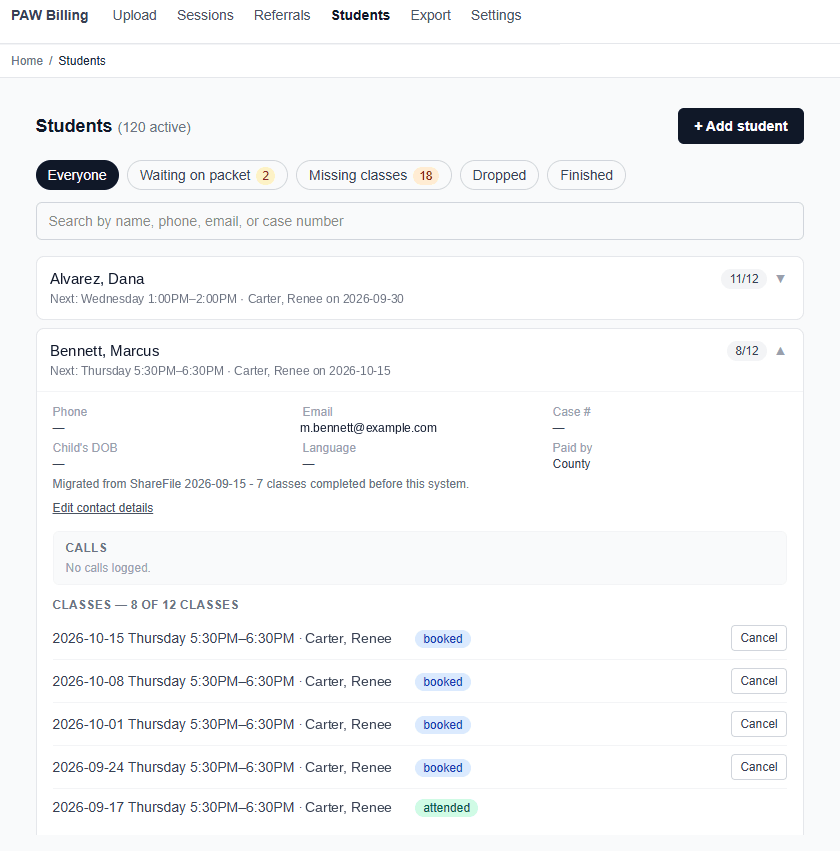
See the service (on: The month-end report is wrong again.) →The Parentz@Work story (on: The month-end report is wrong again.) →
“Every CRM wants me to sell like everyone else.”
Your sale has a shape. The stages, the daily call list and what to say at each step should be yours, not a template's.
See the service (on: Every CRM wants me to sell like everyone else.) →The SiteFacts story (on: Every CRM wants me to sell like everyone else.) →
“I'm good at the work. Why doesn't the phone ring?”
Page three of Google, and old listings pointing people somewhere else. A site built around what you do and where, and the listings fixed.
See the service (on: I'm good at the work. Why doesn't the phone ring?) →The TekRV story (on: I'm good at the work. Why doesn't the phone ring?) →
For you · fee builds
What we build for you
You run the business until five. Then you run it again: the estimates, the invoices, the follow-ups, the report only you know how to build, until well past dinner. We find what's really keeping you there, then build the tool that takes it off your plate: a screen you work in, or something with no screen at all that runs while you're out.
Ours · owned and run by Inertia
What we built and run
Tools we own, in niches we know: pricing jobs for mobile technicians, winning work for engineering firms, running a sales team's day. Each one started with one person who was the bottleneck: an owner, an operations lead, an executive director.
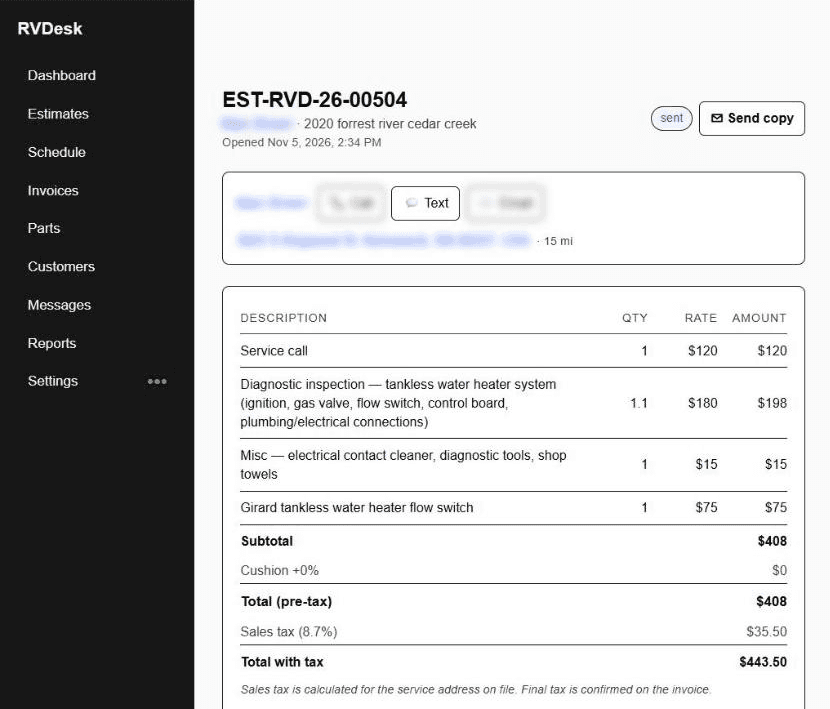
One engine, many niches
One stack, kept running, shared by every build.
The expensive parts of business software are the same every time: signing people in, taking payments, scheduling, texting and emailing customers, reading documents, collecting signatures, keeping QuickBooks straight. We've built each one and we keep them running: the payment compliance and the carrier registration for texting. Because many businesses run on the same parts, the cost of each is shared across the businesses that run on it instead of carried by one, and nobody has to become the expert in all of them. Your build starts with them already working, and you pay for the part that's yours.
What you get
Software you use
A screen for the job: pricing it, signing it, working the list, approving the bill.
Software that just runs
No screen. It reads the documents, watches the source, screens the list, files what was signed, and tells you when it's done.
What it's built from (already ours)
- Sign-inA link in their email. No passwords to reset.
- PaymentsCards and deposits, taken on site.
- SchedulingOffers the customer three times from the nearest technician, a time you already agreed on, or the next one open. The customer picks one or asks for new options.
- Texts and emailReminders and updates, with the opt-out rules handled.
- Document readingPDFs and forms turned into rows a person checks before anything is billed.
- SignaturesSigned on site or by link. The PDF files itself.
- QuickBooks syncNothing typed twice. Estimates, invoices and payments land where the books live.
- Customer portalThey see where their job stands without calling you.
- Works with your AI assistantThe ChatGPT or Claude you already use can draft into the tool. A person still approves.
How it's built
- We find the real problem before anything is built. If what you asked for won't help, we say so.
- A person approves anything that bills, sends, or signs.
- The AI reports what is on file. It never invents a number to make things look better.
The answer decides what we build
Most of what's eating your week isn't hard. It's just yours.
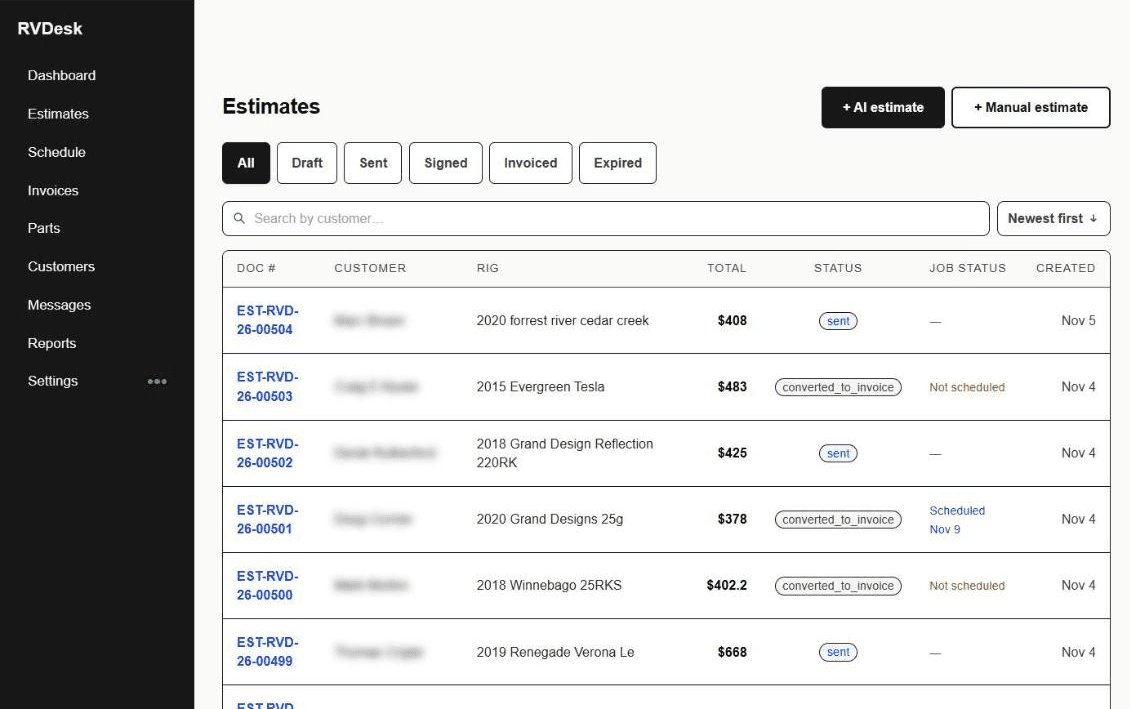
Workflow
Done when you park the truck.
Prices that lived in one head now price the job in about fifteen seconds, from his own history. Signed on site, filed in QuickBooks.
Paperwork
The report only one person knows how to build.
Twenty hours of monthly billing now takes two.
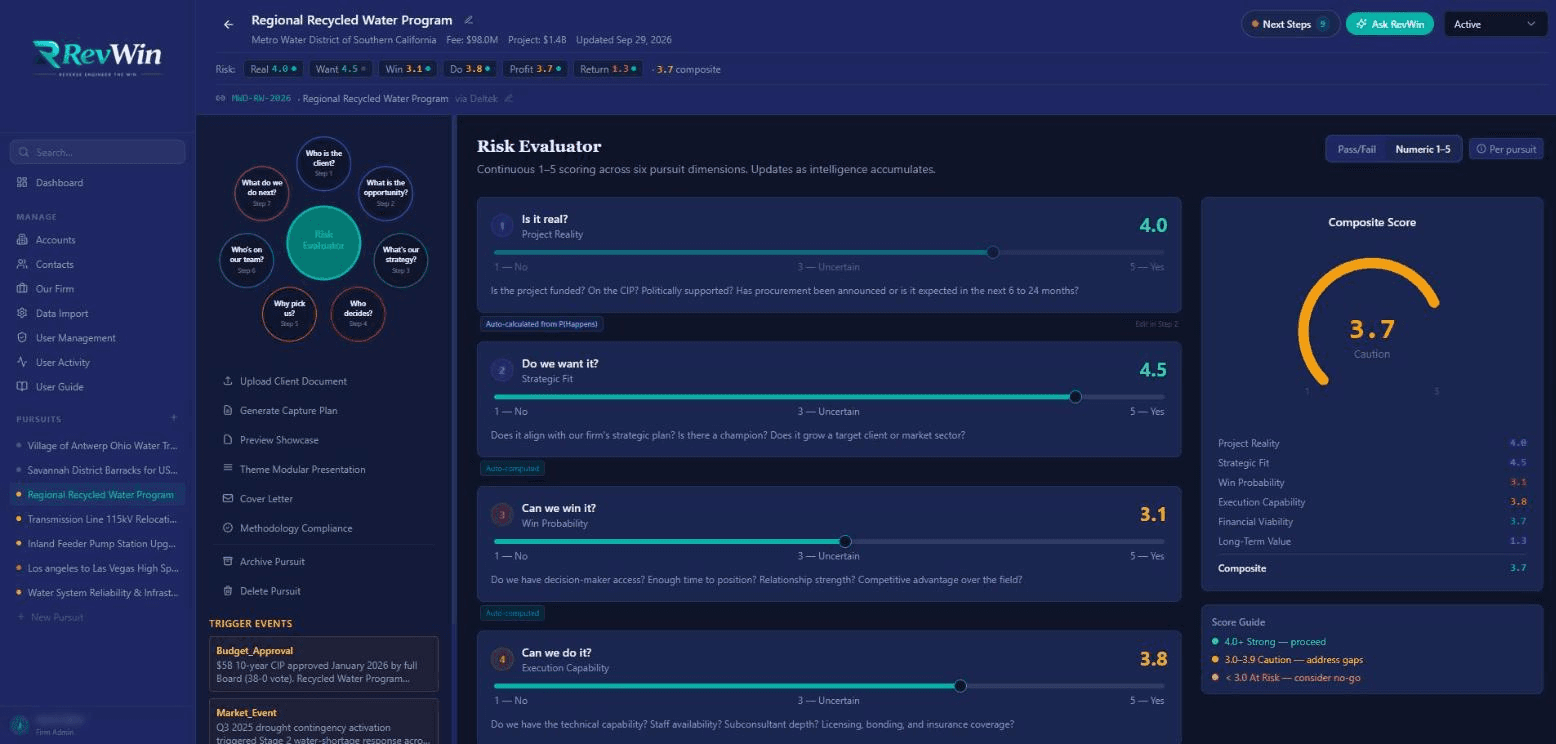
Method
Only the big firms could afford to do it right.
It doubles what one business-development pro can carry.
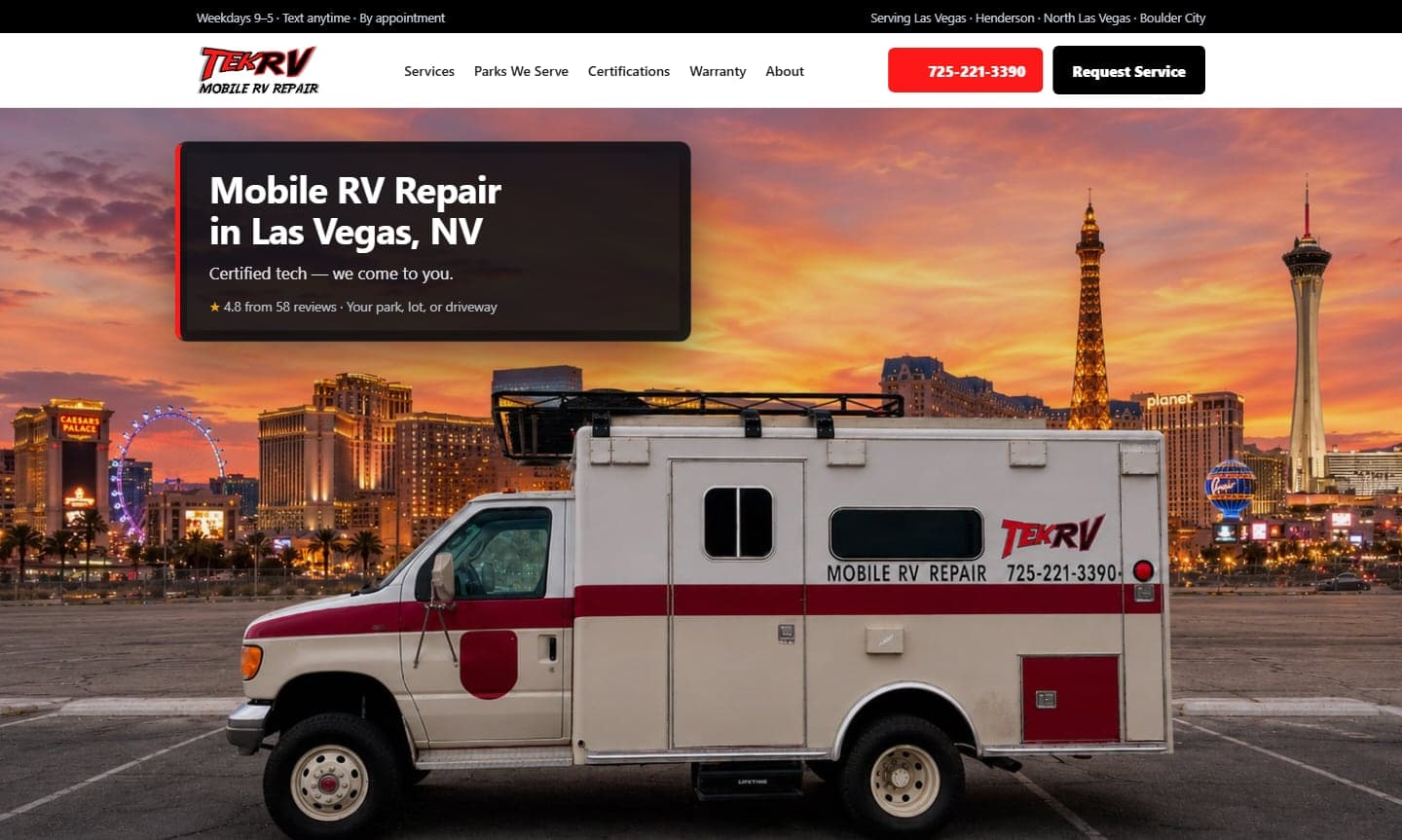
Demand
Good at the work. Impossible to find.
From page three of Google to the first answer people get when they ask.
Products
Built and run by Inertia
These are the ones we can talk about.
“You have no idea how much time you saved me. This is amazing.”
“My best month ever was because RVDesk allowed me to do more jobs and be done when I park the work truck in the driveway in the evening.”
“What your team has created is just incredible. My process is now accessible to anyone in the industry. Previously, only the top 100 firms had the resources to pull it off.”
Find it. Build it. Hand it over.
1
Find it
Real time in your week, not a workshop. We're after one sentence: "the thing in my way is ___." No sentence, no project, and we'll tell you that instead of selling you something.
2
Build it
We don't start from zero. Your build gets the parts that already work, with a screen or without one, and you pay for the part that's yours.
3
Hand it over
You own it. Some builds are a fee. Some are a fee plus a piece of what gets built, when we're building the thing alongside you. You'll know which on the first call, and it's written down.
Partners
Three ways to work with us
Send us someone. Put your method in software with your name on it. Carry one of our tools to your customers.
Trust
What we do with your data
Where it lives, who can see it, what the AI may and may not do, and who approves what. In plain words.
On LinkedIn
We say most of this out loud first
One idea a week. If you got here from one of those posts, this is the rest of the argument.
Thirty minutes. Tell us what's in your way.
Call, or book a time that suits you. If we can't help, we'll say so and point you somewhere that can.